Post-rock prompts
Post-rock builds meaning through accumulation. Clean guitar layers and rolling toms can widen over time until the instrumental peak arrives, so write the path to the crescendo as clearly as the climax.
Published generation evidence
One v5.5 record built as a four-stage arrangement
The published Style prompt combines Post-Rock, Minimalist Classical, and Ambient, but its distinctive value is structural: it assigns a different instrument and dynamic state to four stages instead of relying on “cinematic crescendo” as a generic instruction.
Genre: Post-Rock, Minimalist Classical, Ambient. Tempo/Feel: 66 BPM, glacial and precise, a slow, inevitable procession. Silence is a key instrument. Key Instruments & Dynamics: Stage 1: a single, cold, clean electric guitar plucking precise arpeggios. Stage 2: a prepared piano enters, playing repetitive, metallic patterns. Stage 3: the song’s only release. All instruments unite in a slow, massive, and tragic crescendo—not loud in speed, but in immense weight and texture. Stage 4: the crescendo collapses into near-silence, leaving only the prepared piano and the sound of a needle on vinyl or sealed-jar ambience. Vocal Style: a low, androgynous, and utterly emotionless spoken-word delivery for verses. In the chorus, the voice multiplies into a distant, layered chant, still restrained but filled with latent anguish. Mood: clinical, haunting, profoundly sad yet beautiful. It should feel like watching a crucial, irreversible experiment in slow motion.
Prompt-level observation: the prompt controls time through staged entry and removal. Guitar establishes precision, prepared piano changes the texture, the single crescendo concentrates release, and the final collapse restores negative space. “Silence is a key instrument” is operational because later stages explain where that silence appears.
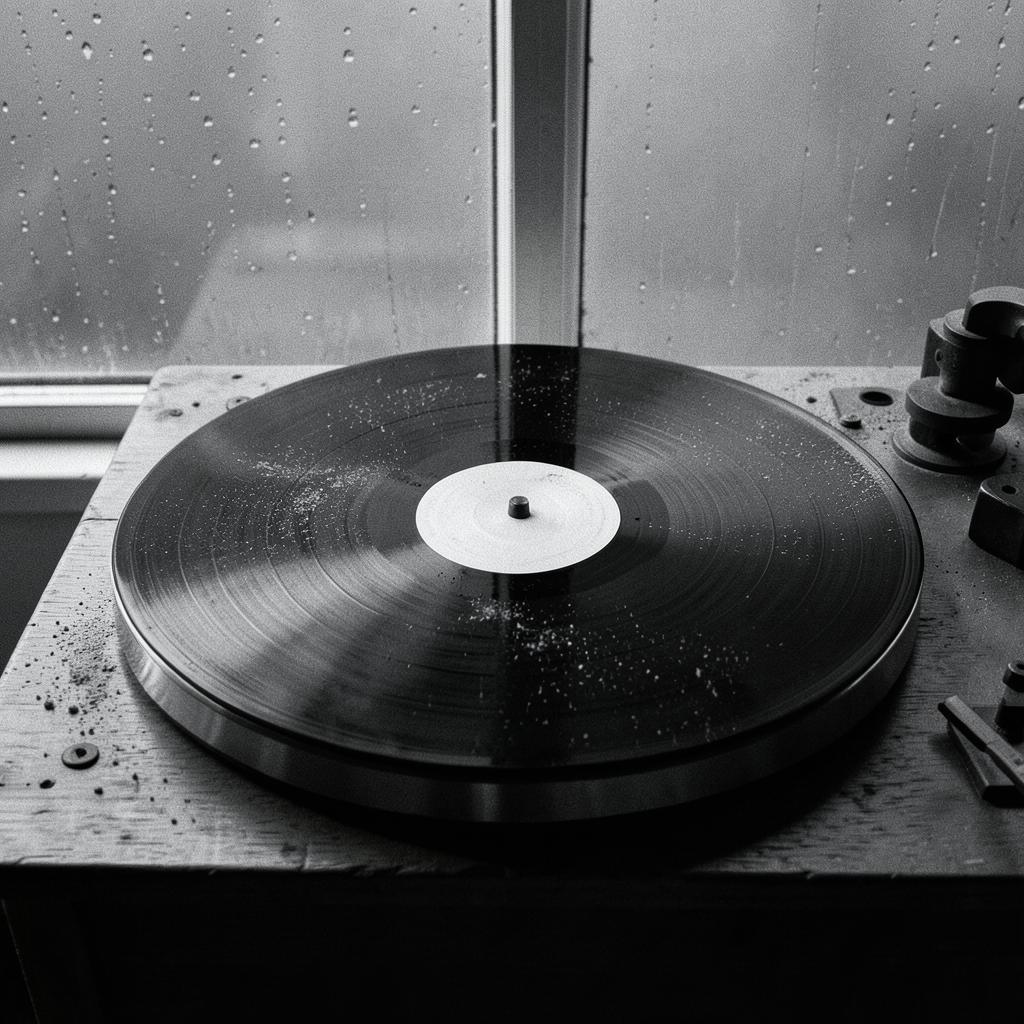
Evidence boundary: this is one real generation record, not a repeated trial. The public page verifies the model, Style prompt, date, and generated output. The editorial analysis concerns the prompt’s arrangement logic; it does not claim that every phrase independently caused an audible feature.
What post-rock is
Instrumental-first rock built around crescendos and texture
For Suno, treat post-rock as a arc lane: the track develops over time, layers accumulate, and the payoff is a big instrumental swell. If it sounds like generic ambient, add tom groove and guitar layer roles. If it sounds like generic indie rock, reduce vocal hooks and emphasize instrumental crescendos.
What it sounds like
Wide, patient, cinematic
- Clean guitars: delay lines, arpeggios, and layered chords.
- Tom-led drums: rolling tom patterns and gradual dynamic lift.
- Big swells: crescendo into a wall-of-sound peak (but often cleaner than shoegaze blur).
- Atmosphere: wide reverb, cinematic space, slow emotional lift.
Core sonic markers
Describe layers + crescendo timing
Strong post-rock prompts usually follow post-rock + clean guitar layers + tom groove + long build + instrumental crescendo. One extra cue like mountain dawn, empty highway, or ocean night helps, but the identity should still read from the arc.
How to prompt this subgenre
Lead with build/crescendo language
If the peak never arrives, explicitly ask for a cathartic crescendo and “bigger drums” at the end. If it becomes too distorted too early, specify “clean guitars in the first half” and “build gradually”.
Prompt recipes
Pick slow burn, cathartic peak, or gentle cinematic
Use this when you want the patient arc and a large ending swell.
Choose this when you want a bigger final peak and more power without metal chugs.
Use this when you want a softer arc with more atmosphere and less distortion.
More copy-ready post-rock lines
Click to copy
Paste into Style or start from Rock / Metal when you want instrumental arcs instead of riff-and-vocal hooks.
FAQ
Why does post-rock become cinematic score?
How long-form can I hint without breaking Suno?
Can post-rock stay guitar-only?
Post-rock vs shoegaze; quick split?
My climax feels small; what to add?
What to pair it with
Keep dynamics wide
Use Production to widen the difference between quiet sections and large peaks. Use Structure when the crescendo needs clearer timing.