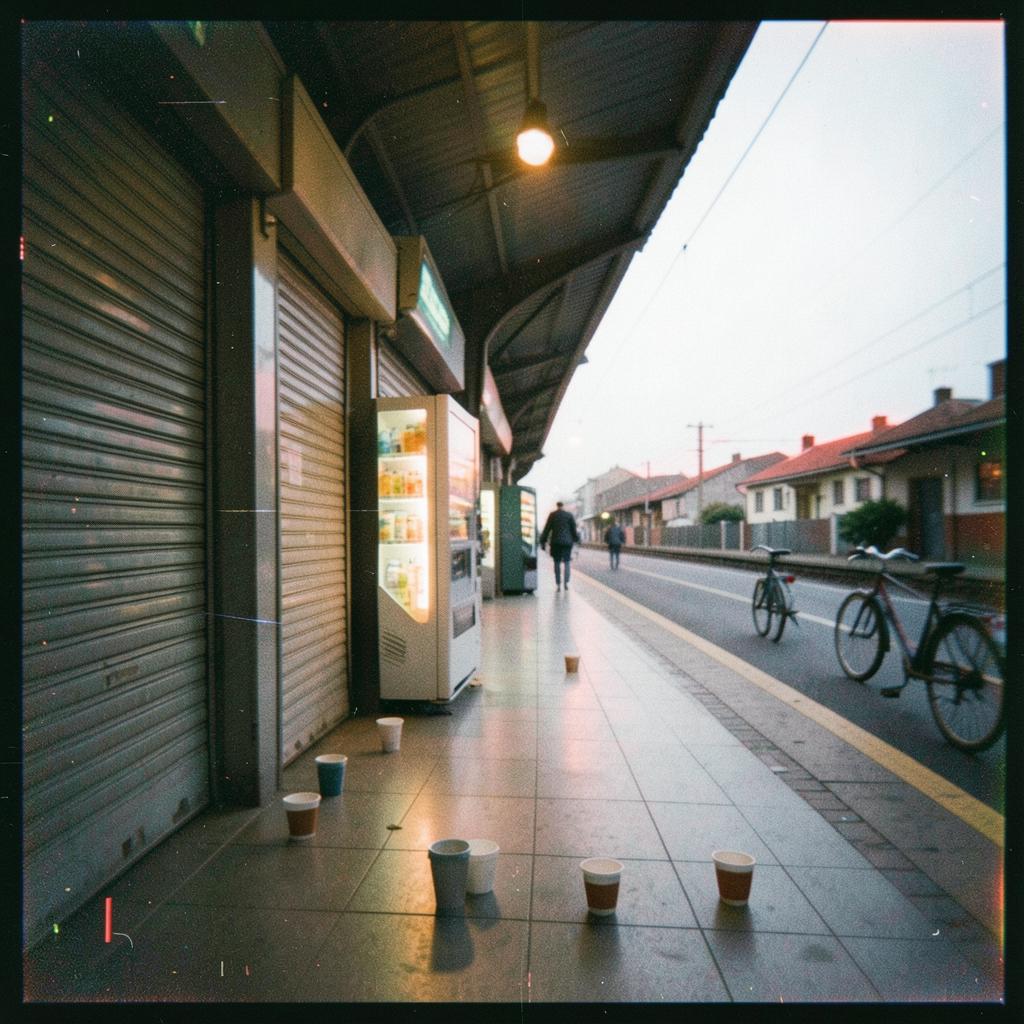
Editorial note: East Asia is not one musical style. Use country- and tradition-specific terms, check their meaning, and avoid treating instruments as decorative shorthand for a culture.
Choose a specific musical context before choosing an instrument. A guzheng-led Chinese ballad, a shamisen folk texture, Japanese city pop, and Korean dance pop use different rhythms, harmony, production, and vocal conventions. Name the lane you mean, give the featured instrument a role, and compare it against a simpler version without the regional label.
Source check:Monash University's Northeast Asian collection separates Chinese, Japanese, and Korean materials and names instruments such as erhu, pipa, shamisen, koto, and shakuhachi. Use that kind of country-and-tradition anchor instead of a generic “East Asian” cue.
Practical tips
Use country-specific tags (C-pop, J-pop, K-pop, enka) rather than "East Asian". Each tradition has distinct scales, instrumentation, and vocal styles.
Try one tradition-specific instrument name at a time, such as erhu, guzheng, shamisen, koto, or gayageum, and compare whether its timbre is recognisable in the result.
Use a scale or tuning term only for the musical context it belongs to. "Pentatonic" is too broad to identify a tradition, while a named scale still does not guarantee stylistic accuracy.
Example Style prompts
Copy these into the Style field or adapt them in the Prompt Builder.
Listen to an anchor lane
Japanese City Pop example
This selected generation anchors one Japanese popular-music lane in a regional list that spans several countries, languages, and traditions.
Scope: This is a listening anchor for one Japanese popular-music lane, not a definition of East Asian music or a controlled test. The site owner selected it from four generations; the notes describe the queue brief because no written selection rationale was recorded.
Common mistakes
Using "Asian" as a tag. A broad prompt can drift toward a generic pentatonic sound that could belong to any East Asian tradition.
Combining instruments from different traditions without explaining the arrangement. A hybrid can be intentional, but each instrument still needs a clear musical role.
Expecting accurate lyrics in Chinese, Japanese, or Korean. Non-English pronunciation and phrasing can vary between generations. Consider writing lyrics in the target language yourself or using English with traditional instrumentation.
East Asian Music Style Keywords FAQ
How many East Asian music terms are in this list?
This page contains 13 starting terms connected with Chinese, Japanese, Korean, Mongolian, and regional pop or traditional-fusion contexts.
How should I choose an East Asian Style keyword?
Anchor the prompt in the specific country, scene, or tradition you intend rather than treating East Asia as one interchangeable sound.
Can I add a traditional instrument to a modern pop term?
Yes, when the combination is intentional. Name the instrument and its role, such as a short lead, plucked texture, or ceremonial accent.
Does an East Asian genre term set the song language?
No. Genre, instrumentation, and lyrics language are separate controls, so state the language separately when required.
Why are Chinese glosses useful on this page?
They distinguish regional and scene labels for Mandarin-speaking readers; the English headword is the list’s copy target.