Editorial note: A soundtrack cue needs a scene, duration, and dramatic job. Genre words may suggest color, but they do not guarantee synchronization or narrative fit.
Describe what changes on screen and what the music should withhold. An arrival cue, quiet dialogue bed, chase, reveal, and end-title theme use melody and dynamics differently. Choose the ensemble after the dramatic job, then state where tension rises or resolves so the cue has an arc rather than constant 'epic' intensity.
Practical tips
Describe the scene type, such as action, mystery, or a quiet emotional turn. The scene gives you a dynamic arc to evaluate.
Match the ensemble to the scene: full orchestra for breadth, string quartet for focused tension, or solo piano for an exposed cue.
Add dynamic descriptions ("crescendo", "slow build", "sudden shift") to guide the model through the emotional arc that soundtrack music requires.
Example Style prompts
Copy these into the Style field or adapt them in the Prompt Builder.
Listen to anchor lanes
Cinematic orchestral and epic trailer examples
These selected instrumental generations contrast a patient scene-sized orchestral arc with an impact-driven trailer escalation.
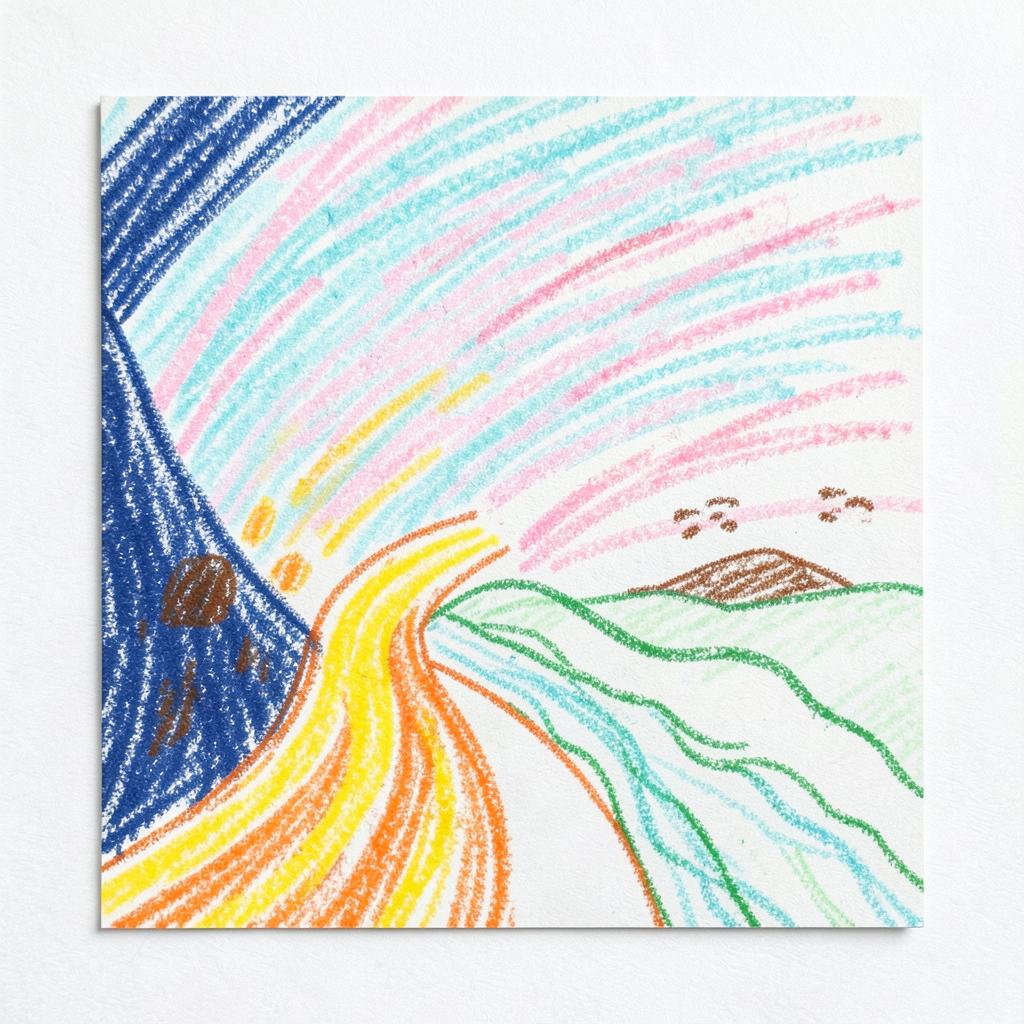
Cinematic Orchestral: Map of the Returning Light
Listen for: an intimate woodwind opening, gradual string expansion, restrained brass and timpani, and a broad hopeful final theme.
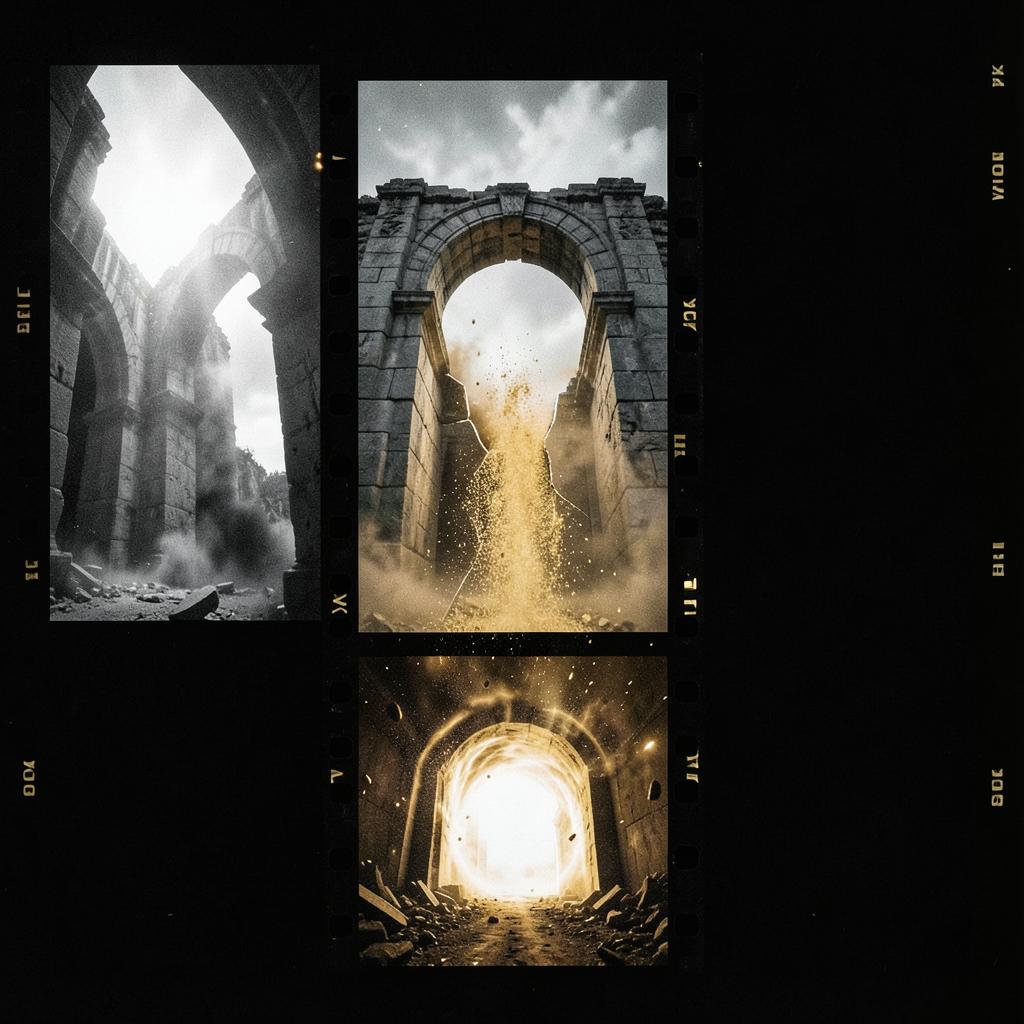
Listen for: a low-string ostinato, taiko and impact layers, forceful brass, rising wordless choir, a short breakdown before the last act, and a sharp final stop.
Scope: These are listening anchors, not definitions or controlled tests. The site owner selected each from four generations; the notes describe the queue briefs because no written selection rationale was recorded.
Common mistakes
Using "soundtrack" as the only tag. A broad prompt can drift toward a generic orchestral wash that lacks emotional direction.
Combining soundtrack tags with pop song structures. Soundtrack music benefits from through-composed structures rather than verse-chorus forms.
Expecting authentic orchestral sampling quality. Treat orchestral wording as an arrangement cue, not a guarantee of sample-library realism.
Soundtrack and Score Style Keywords FAQ
How many Soundtrack and Score terms are in this list?
This page contains 10 starting labels for cinematic, trailer, dramatic, documentary, scene-setting, and score-oriented contexts.
How should I choose a Soundtrack Style keyword?
Choose by scene function and emotional arc, such as tension bed, discovery cue, heroic build, intimate drama, or end-title resolution.
Which controls make a score prompt more specific?
Add ensemble scale, lead timbre, pulse, dynamic curve, and the point where the arrangement should build or release.
Are these labels for copying an existing film score?
No. They describe dramatic function and orchestration so you can define an original cue without naming a protected soundtrack.
How do the Chinese glosses help with score terms?
They clarify scene and function labels; copy the English headword when using a Style keyword from this list.